Dance Teachers

Begin or continue your journey as an inclusive dance teacher by completing our online professional development course
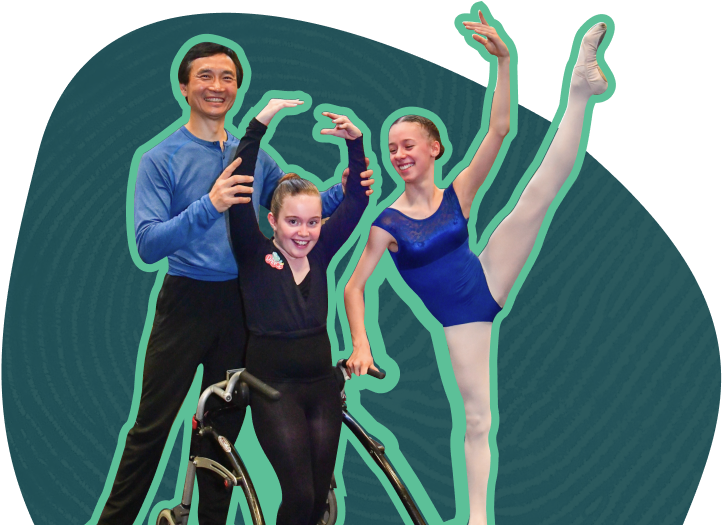
Dance Teachers Hero Image

On this page, you will find information designed to support dance teachers in creating more inclusive and accessible programs where children with disability can actively participate and thrive.

You can also find more information on creating inclusive and accessible dance programs in our AllPlay™ Dance: Teacher Professional Learning for Disability-Inclusive Dance course. Upon completion, you can choose to feature your dance school in our AllPlay Dance Directory.

What is an Inclusive Dance teacher?

An inclusive dance teacher is someone who actively embraces diversity and creates a welcoming environment where individuals of all abilities, backgrounds, and experiences can participate in dance.

Access and inclusion isn't a fixed formula—it's a continuous process of learning, grounded in curiosity, respect, and creativity.

Inclusive dance teachers recognise each student as an individual and are led by them when supporting their access and inclusion.

Inclusive Dance Teacher Image

The basics of inclusion

This section covers the basics of inclusion, including concepts such as learning about the children you teach, different disability groups and common domains of support, and using a buddy program to support participation.

Learn about the children you teach

Learn More

Learn about some important inclusion principles

Learn More

Explore our disability information

Learn More

Learn about common areas of support

Learn More

Learn about different disability groups

Explore information about different disability groups, what this might look like in dance, and their support needs.

Consider using a buddy program

What is a buddy?

A buddy in dance supports a student's access, inclusion, and participation by working alongside them as a partner rather than assisting you, often becoming a mentor and creative collaborator.

Who can be a buddy?
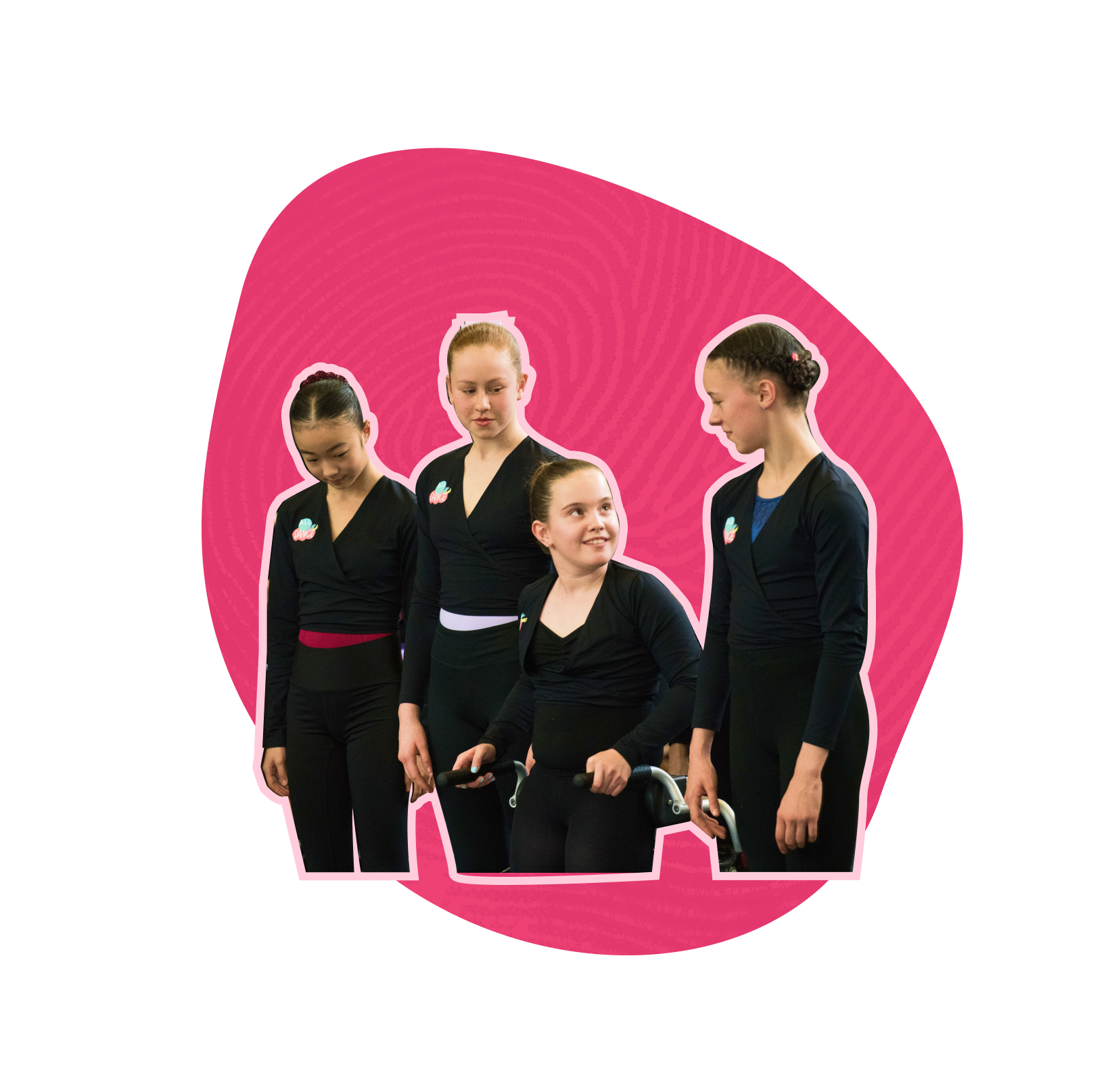
Older student
Classmate
Caregiver
Adult volunteer with dance experience
Dance Teachers Hero Image
Learn about the children you teach

Firstly, remember that not all disabilities are visible. Some students may also have an undiagnosed disability, or may not wish to disclose their disability diagnosis or label with you. This should not prevent them from accessing support. You don't need to know a diagnosis to be inclusive. Focus on responding to needs, strengths, and preferences in the moment.

Students are the best experts on themselves! Seek the student and their parents/caregivers' advice and guidance about the best way to support their access and inclusion. The AllPlay About Me form can support this process of communication.

Learn about some important inclusion principles

Supporting inclusion in dance involves recognising and valuing the unique strengths, needs, and experiences of every student. As teachers and dance schools, you play a crucial role in shaping inclusive environments through your attitudes, language, and teaching choices.

The below provides some general principles to help foster inclusive, responsive, and respectful dance environments:

  • Respect each student's autonomy by encouraging choice and self-expression.
  • Avoid assumptions about abilities.
  • Communicate directly and inclusively - include students in conversations that relate to them, and ensure communication is respectful and adapted to their preferred style or mode.
  • Understand that engagement can look different for everyone; for example, validate diverse forms of participation—such as observing or fidgeting.
  • Be responsive to varying needs (e.g., sound preferences, energy levels), which can differ among students and change for each student across time.
  • Be flexible and adjust expectations based on an individual's energy or wellness on a given day.
  • Inclusion is an ongoing, creative process that requires curiosity, adaptability, and a willingness to learn from students, ensuring that every class is a space where all students feel valued and empowered to participate in ways that work for them.

To support agency and inclusion in dance, consider using improvisation and creative composition strategies that empower students to make choices in their movement and express themselves.

Encourage the use of technology or assistive devices that best meet each student's needs, and always seek consent before offering hands-on assistance, ensuring clear communication about comfort levels. Ensure you stop if asked.

Adopt a patient, open-minded approach, and provide alternative roles (e.g., music helper or choreography assistant) or adapted movements so everyone can participate meaningfully.

Explore our disability information

Explore information about different disability groups, how they might experience dance, and their support needs. The information covered is not designed to cover everything about a particular disability. We also acknowledge that we cannot provide an exhaustive list of disability experiences.

What is a buddy?

A buddy in dance supports a student's access, inclusion, and participation by working alongside them as a partner rather than assisting you, often becoming a mentor and creative collaborator. Buddies have played a crucial role in past AllPlay Dance projects.

Who can be a buddy?

A buddy in dance can be an older student, classmate, caregiver, or adult volunteer who supports a student's participation and inclusion. Some key criteria include:

  • Age: ideally older than the student they are paired with (context-dependent)
  • Dance experience: sufficient experience to support their partner
  • Attitude and education: aligned with school culture and inclusion practices
  • Working With Children Check (WWCC): must hold a current WWCC

In some instances, a formal buddy program may not be possible. Informal buddy arrangements can support participation through pairing students, small group activities, cooperative roles, and task adaptations.

The Benefits of a Buddy Program

One-on-one support from a buddy helps students participate, feel confident, and enjoy dance. Buddies may offer encouragement, physical guidance, creative collaboration, and access support while maintaining student autonomy.

AllPlay Dance: Buddy Professional Learning for Disability-Inclusive Dance course

They can also become a buddy in our AllPlay Dance studio classes using this link: https://redcap.helix.monash.edu/surveys/?s=HP7JE38JAL3RJFER

Join AllPlay Dance Program

Choose the program that best matches your role to get started.

Dance Teacher Image
AllPlay Dance Teacher Program
Access our online professional development program for dance teachers here
Buddy Image
AllPlay Dance Buddy Program
Access our online professional development program for buddies here
Family Program Image
AllPlay Dance program for families
Join this program if you have a child (aged 7-12 years) with autism who would like to participate in a free, inclusive dance research program.

Join the AllPlay Dance Program

Choose the program that best matches your role to get started.

Dance Teacher Image
AllPlay Dance Teacher Program
Access our online professional development program for dance teachers here
Buddy Image
AllPlay Dance Buddy Program
Access our online professional development program for buddies here
Family Program Image
AllPlay Dance program for families
Join this program if you have a child (aged 7-12 years) with autism who would like to participate in a free, inclusive dance research program.

Login to AllPlay Dance

Choose your role to continue

Login as Teacher
Access your teacher dashboard and professional development resources
Login as Buddy
Access your buddy dashboard and support resources