Welcome to AllPlay Dance
Making dance fit for all children.
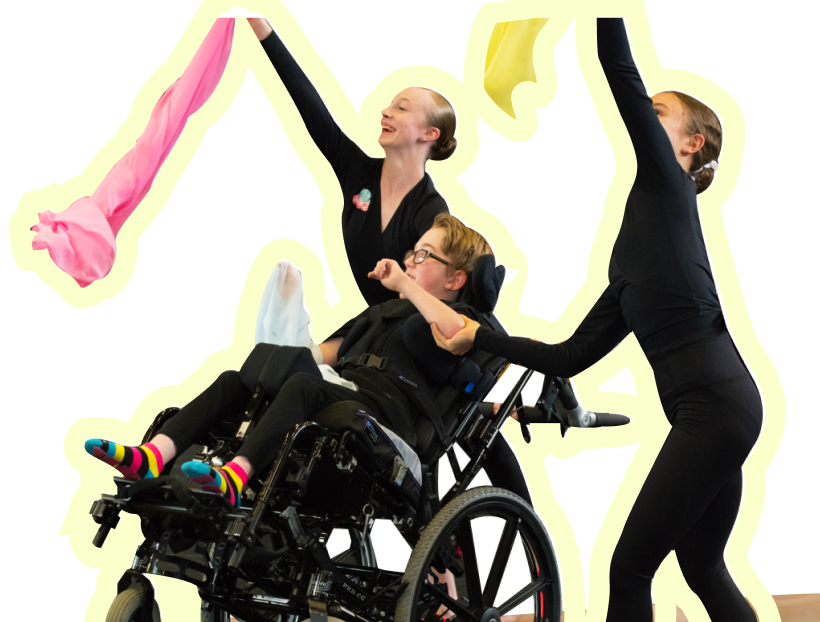
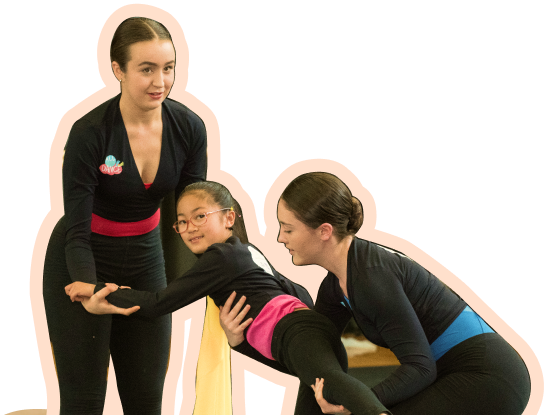
AllPlay Dance provides professional development opportunities for dance teachers and buddies, and dance programs for families. Click 'Join program' to find out more.
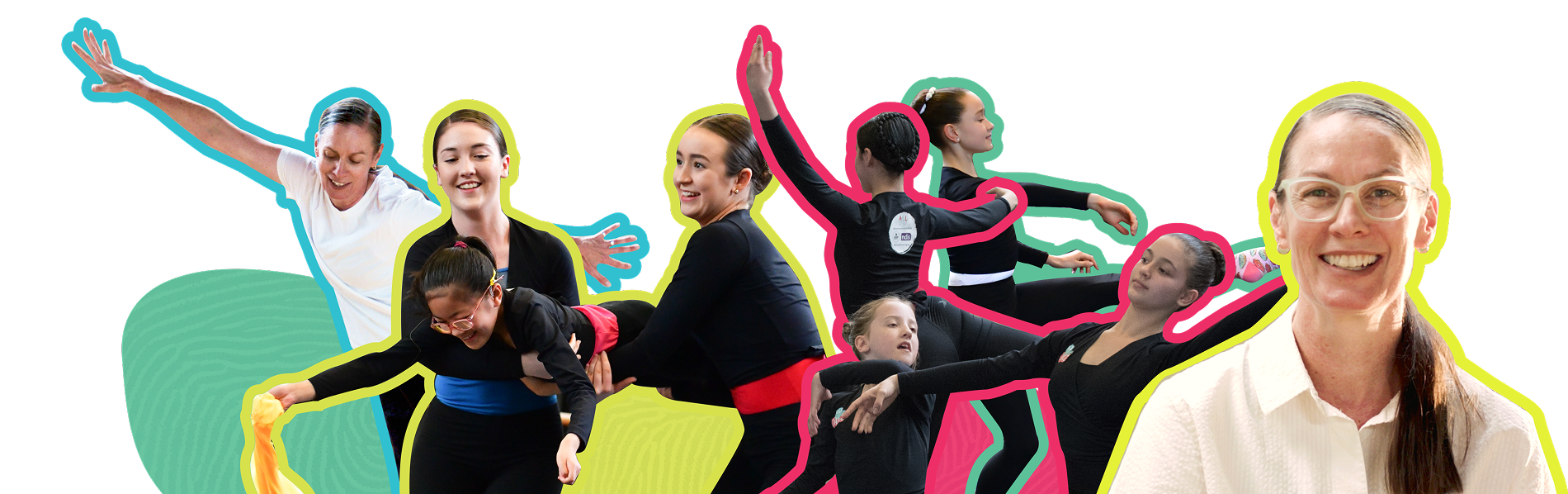
AllPlay Dance is led by a team of dancers, psychologists, and researchers committed to making dance inclusive and accessible for children of all abilities.

AllPlay Dance studios
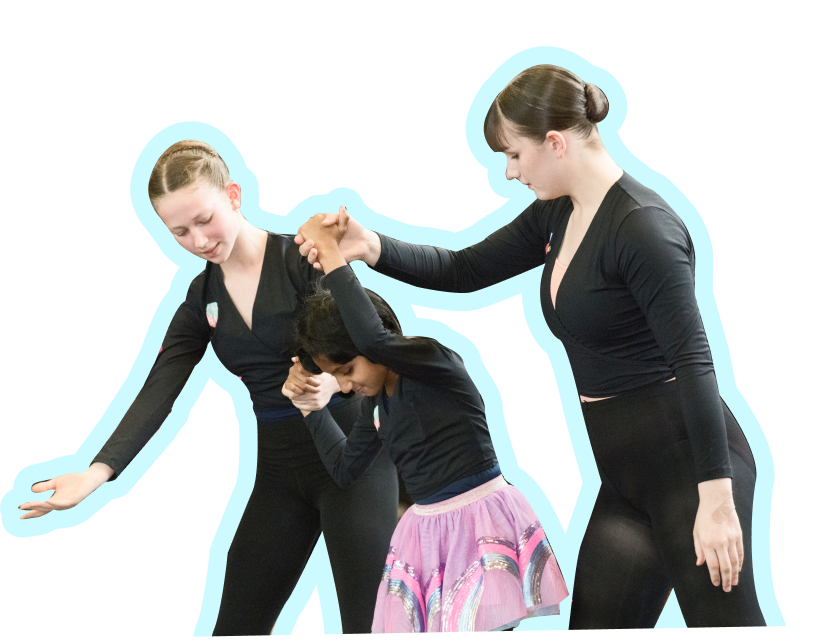
We develop and refine our teaching methods and research the developmental benefits of dance for children with disability.

AllPlay Dance in the community
We also create resources for families, teachers, and dance buddies and connect with the community through our professional development courses and online presence.

Evidence-based approach
Across the studio and community, we take an evidence-based, community-research-driven approach to our programs, so that we can continually improve and be responsive to the community's needs. Our research draws from the fields of dance, neuroscience, and clinical psychology.
At AllPlay Dance, we believe dance should be for everyone.
Too often, people feel excluded from dance due to narrow ideas about who should dance and what dance "should" look like. But dance is a creative and expressive art form with endless possibilities. By challenging assumptions and embracing diversity, we can create dance spaces where everyone feels welcome and can thrive.
Benefits of dancing
There are many benefits of dancing. It's all about creating opportunities for young people to benefit from dancing. Here are some of them.
AllPlay Dance Resources
Through our work in our studios and with the community, we have created resources for families, dance schools, teachers and buddies to help children thrive in inclusive dance programs.
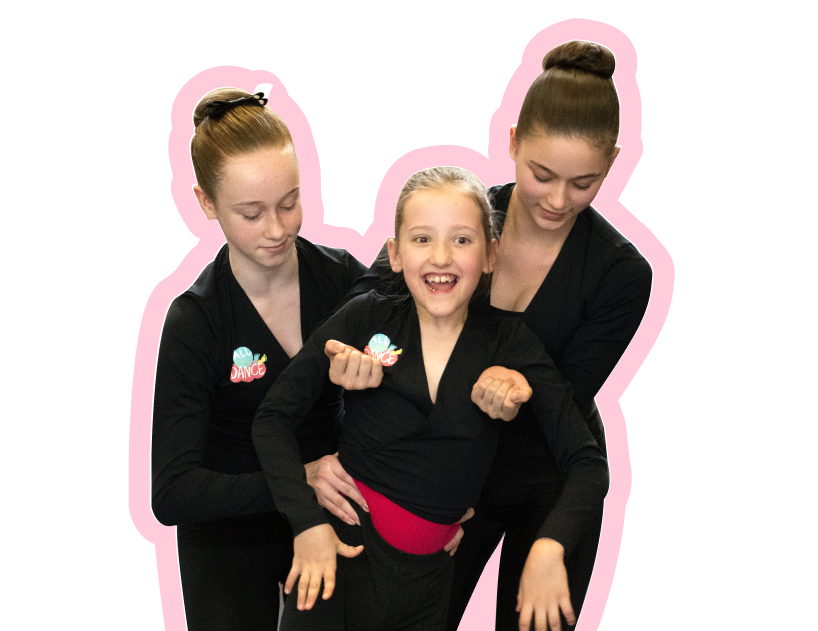
About Us
Find out more about the AllPlay Dance team, what we do, and our partners here.
Disability & Identity
Language – Additional Information
Exploring language considerations in accessibility and inclusive communication.
Learn moreUnderstanding Disability, Access and Inclusion
Core concepts for creating inclusive dance experiences for all participants.
Learn moreDisability Culture, Identity and Pride
Celebrating diverse identities and cultural perspectives in the dance community.
Learn moreQuick navigation
This website includes information about:
Find out more about the AllPlay Dance team, what we do, and our partners here.
Find out more about how we frame disability, barriers to participation, and how to support a culture of access and inclusion here.
Find out more about disability identity, culture, and community, disability pride, allyship and disability cultural responsiveness here.
Find out more about practical strategies for dance schools as well as building a culture of access and inclusion here.
Dance can be enjoyed by all children. AllPlay Dance guides, resources and professional development use the best available evidence and have been co-designed with the community to support children with disability.
We mostly draw on the neurodevelopmental expertise of our team when selecting content to include on this website. We acknowledge that we cannot provide an exhaustive list of disability experiences, as they are vast and diverse.
Within this website, we cover the following disability groups:
- Autism
- ADHD
- Intellectual Disability
- Developmental Language Disorder
- Cerebral Palsy
- Developmental Coordination Disorder
- Anxiety
- Blind and Low Vision
- d/Deaf and Hard of Hearing
We provide information about some common areas of support that students may need in dance, including:
- Social, emotional, and behavioural functioning
- Attention and regulation
- Language and communication
- Learning and memory
- Motor difficulties
- Vision and hearing
- Sensory processing differences
- Worries
- Pain, fatigue, and attendance
Visit the AllPlay website to learn more about our research.
A note on language:
Language is important because it influences our perceptions of, and how we engage with, the world. The terms we use on this website have been chosen carefully to promote inclusion and respect. Find out more about the language we use here.